

Marrakech Day Trips: Best Excursions from the Red City
Marrakech captivates travelers with its vibrant souks and stunning palaces. However, the surrounding regions offer equally mesmerizing experiences. Day trips from Marrakech reveal Morocco’s diverse landscapes and rich cultural heritage. From cascading waterfalls to ancient kasbahs, these excursions showcase the country’s natural beauty and historical significance.
Planning your Marrakech excursions requires careful consideration of distances and travel times. Most destinations lie within a two to four-hour drive from the city. This proximity makes them perfect for single-day adventures. Whether you seek desert landscapes, coastal breezes, or mountain retreats, the options are plentiful.
This comprehensive guide explores the best day trips from Marrakech. Each destination offers unique attractions and unforgettable memories. Moreover, we’ll provide practical tips to help you maximize your experience. Let’s discover the wonders waiting beyond the Red City’s walls.
Why Choose Marrakech Day Trips?
Explore Morocco’s Diversity
Marrakech serves as an ideal base for exploring Morocco’s varied terrain. Within hours, you can transition from bustling medinas to serene mountain valleys. The convenience of returning to your comfortable accommodation each evening adds appeal. Additionally, day trips eliminate the hassle of packing and unpacking.
These excursions complement your Marrakech experience perfectly. While the city offers cultural richness, surrounding areas provide natural splendor. Together, they create a well-rounded Moroccan adventure. Furthermore, professional tour operators handle logistics, allowing you to relax and enjoy.
Time-Efficient Travel Options
Marrakech day trips suit travelers with limited schedules. You don’t need weeks to experience Morocco’s highlights. Instead, strategic day trips maximize your available time. Most tours depart early morning and return by evening.
This efficiency proves especially valuable for first-time visitors. You can sample different regions before planning longer visits. Additionally, organized tours often include multiple stops, enhancing value. Transportation, guides, and sometimes meals are typically included in packages available through Morocco Holiday Services tours from Marrakech.
Essaouira from Marrakech: Coastal Charm Awaits
Journey to the Atlantic Coast
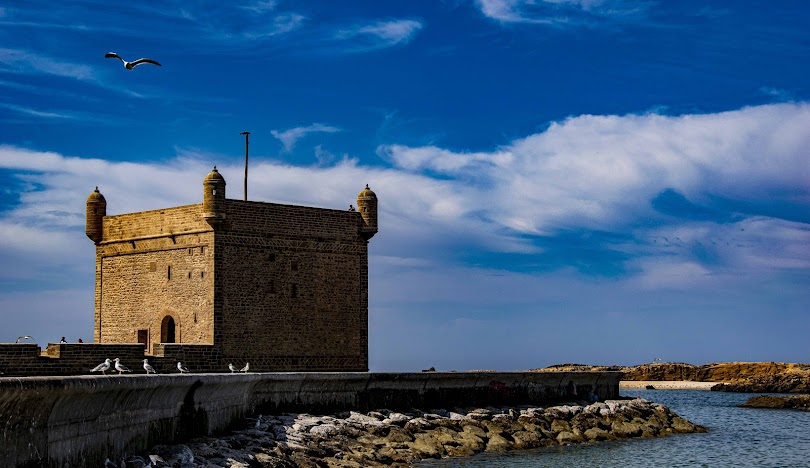
Essaouira from Marrakech ranks among Morocco’s most popular day trips. This coastal gem sits approximately 190 kilometers west of Marrakech. The journey takes roughly two and a half hours through scenic countryside. Along the route, you’ll pass argan tree forests where goats famously climb branches.
The UNESCO World Heritage medina showcases Portuguese and Moroccan architectural fusion. Whitewashed buildings contrast beautifully against blue shutters and doors. Meanwhile, the fortified walls offer panoramic Atlantic Ocean views. The city’s relaxed atmosphere provides welcome respite from Marrakech’s intensity.
What to Experience in Essaouira
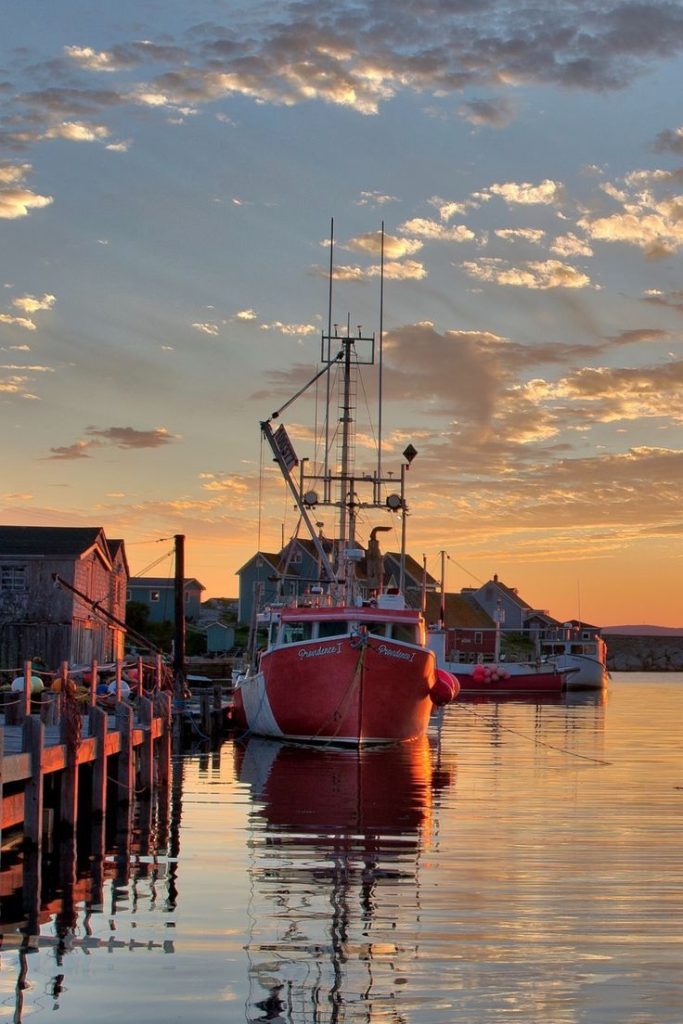
Essaouira’s medina invites leisurely exploration through its organized grid layout. Unlike Marrakech’s labyrinthine souks, navigation here proves straightforward. The fishing port bustles with activity as colorful boats unload daily catches. Fresh seafood restaurants line the harbor, offering delicious grilled fish and seafood tagines.
Art galleries and craft workshops populate the medina’s streets. Essaouira has long attracted artists and musicians seeking creative inspiration. The annual Gnaoua World Music Festival draws international performers each June. Additionally, the expansive beach accommodates water sports enthusiasts year-round.
For detailed information about Essaouira’s historical significance, visit the UNESCO World Heritage Centre website.
Practical Tips for Visiting Essaouira
Morning departures allow maximum exploration time in this charming coastal town. Bring layers, as Atlantic breezes create cooler temperatures than inland Marrakech. Comfortable walking shoes are essential for navigating the medina’s cobblestone streets.
The best time to visit Essaouira from Marrakech spans spring through autumn. Summer offers pleasant beach weather without extreme heat. Winter months can be windy but equally atmospheric. Plan at least six hours to fully appreciate the city’s offerings.
Consider booking through reputable operators offering Marrakech excursions to Essaouira. These typically include hotel pickup, transportation, and guided tours. Some packages incorporate argan oil cooperative visits, adding cultural depth to your journey.
Ouzoud Waterfalls from Marrakech: Nature’s Spectacle
Morocco’s Highest Waterfalls
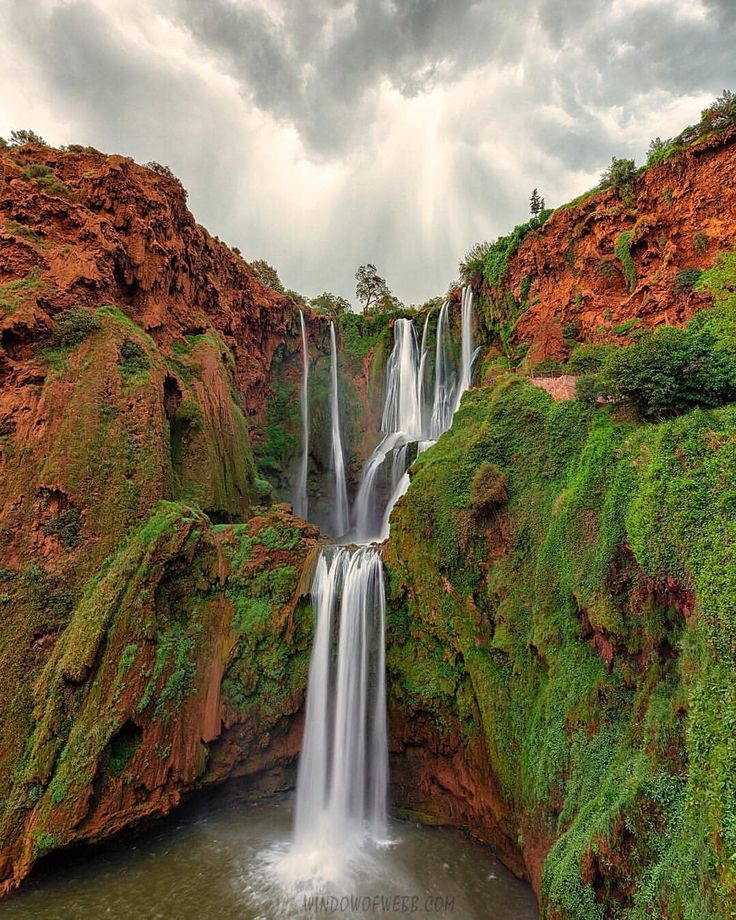
Ouzoud Waterfalls from Marrakech presents one of Morocco’s most spectacular natural attractions. These magnificent falls cascade 110 meters into the El-Abid River gorge. Located in the Middle Atlas Mountains, they’re approximately 150 kilometers northeast of Marrakech. The three-hour drive traverses beautiful agricultural landscapes and traditional Berber villages.
The waterfalls’ name derives from the Berber word “ouzoud,” meaning olive grinding. Indeed, ancient olive groves still surround the area. The site attracts both international tourists and Moroccan families, especially during weekends. Nevertheless, its natural beauty remains unspoiled and breathtaking.
Exploring the Waterfall Area
Multiple pathways wind down to the waterfall base, offering various viewing perspectives. The descent takes approximately 20 minutes through shaded trails. Along the way, Barbary macaques inhabit the surrounding trees. These playful primates often approach visitors seeking food, creating memorable photo opportunities.
At the bottom, mist from the falls creates refreshing coolness. Several viewpoints provide stunning photography angles of the cascading water. Adventurous visitors can take traditional boat rides near the falls’ base. The experience brings you remarkably close to the thundering water.
Riverside cafes and restaurants offer traditional Moroccan meals with spectacular views. Tagines, couscous, and fresh mint tea taste especially delicious in this natural setting. Some establishments feature terraces directly overlooking the falls.
Planning Your Ouzoud Visit
Early departure from Marrakech ensures you avoid crowds and midday heat. The journey itself offers scenic views worth photographing. Wear sturdy footwear suitable for potentially slippery pathways. Additionally, bring swimwear if you wish to swim in the pools below.
Spring brings the most dramatic water flow following winter rains. However, Ouzoud remains impressive throughout the year. Summer visits offer pleasant temperatures and swimming opportunities. Autumn provides beautiful foliage colors in surrounding landscapes.
Full-day tours typically include transportation, guide services, and free time for exploration. Budget approximately eight to nine hours for the complete excursion. Many Marrakech day trips to Ouzoud also stop at traditional Berber villages en route.
Ourika Valley from Marrakech: Mountain Retreat
Escape to the Atlas Mountains
Ourika Valley from Marrakech offers a refreshing mountain escape just 60 kilometers away. This lush valley nestles in the High Atlas foothills, providing dramatic scenery. The journey takes approximately one hour, making it perfect for half-day trips. Throughout the drive, you’ll witness landscapes transforming from arid plains to verdant valleys.
Traditional Berber villages dot the mountainsides, maintaining centuries-old lifestyles. Terraced gardens cultivate vegetables, walnuts, and fruit trees. The Ourika River flows through the valley, creating a green oasis. Meanwhile, snow-capped peaks provide stunning backdrops during winter and spring.
Setti Fatma and Seven Waterfalls
Setti Fatma village serves as the valley’s primary tourist destination. This charming settlement sits at the valley’s end, surrounded by dramatic cliffs. The famous seven waterfalls lie just beyond the village. However, only the first three waterfalls remain easily accessible without serious hiking.
The trek to the first waterfall takes approximately 45 minutes from the village. Rocky paths require reasonable fitness levels and proper footwear. Local guides often offer assistance navigating the sometimes-challenging terrain. Their knowledge enhances the experience while ensuring safety.
Reaching higher waterfalls demands more strenuous climbing and additional time. These upper falls reward adventurous hikers with spectacular views and solitude. Nevertheless, the first waterfall alone justifies the visit with its impressive cascade.
Cultural Experiences in Ourika Valley
Traditional Berber hospitality defines the Ourika Valley experience. Many tours include visits to local homes for mint tea. These interactions provide authentic insights into mountain community life. Additionally, several cooperatives demonstrate traditional weaving and pottery techniques.
Monday marks the weekly souk in various valley villages. These markets buzz with locals trading produce, livestock, and handicrafts. Attending offers fascinating cultural immersion rarely found in tourist areas. The authentic atmosphere contrasts sharply with Marrakech’s commercial souks.
Several restaurants along the river serve delicious Berber cuisine. Many feature traditional outdoor seating on platforms above the flowing water. The setting enhances the dining experience, combining nature with culinary delights.
Best Times and Tips for Ourika Valley
Spring transforms Ourika Valley into a flowering paradise with blossoming trees. Summer brings warm temperatures ideal for riverside relaxation and waterfall visits. Autumn offers pleasant weather and harvest season activities. Winter can be cold but beautifully snow-dusted.
Morning visits allow you to experience the valley before afternoon crowds arrive. Bring sun protection, as mountain sun intensity increases with altitude. Comfortable hiking shoes are essential for waterfall treks. Additionally, modest dress respects local cultural norms.
Half-day Marrakech excursions to Ourika Valley typically last five to six hours. Full-day options often combine waterfall visits with cultural experiences and market tours. Transportation and guide services are usually included through Morocco Holiday Services day trip packages.
Ait Ben Haddou from Marrakech: Ancient Kasbah Wonder
Journey Through the High Atlas
Ait Ben Haddou from Marrakech requires crossing the spectacular Tizi n’Tichka pass. This winding mountain road reaches 2,260 meters elevation, offering breathtaking panoramas. The approximately 190-kilometer journey takes three to four hours each way. Despite the distance, this excursion ranks among Morocco’s most rewarding day trips.
The route itself provides memorable experiences with constantly changing scenery. Roadside stops showcase Berber villages clinging to steep mountainsides. Additionally, the pass offers numerous viewpoints for photography enthusiasts. The dramatic landscape transitions from red earth to snow-capped peaks.
UNESCO World Heritage Site
Ait Ben Haddou represents Morocco’s most famous ksar, or fortified village. This UNESCO World Heritage site has stood since the 11th century. The earthen clay architecture exemplifies traditional Moroccan construction techniques. Towering walls and decorative kasbahs create an imposing yet beautiful structure.
Hollywood discovered Ait Ben Haddou decades ago, using it in numerous films. Notable productions include “Gladiator,” “Game of Thrones,” and “Lawrence of Arabia.” The location’s authentic medieval appearance eliminates the need for extensive set construction. Consequently, film tourism has boosted the local economy significantly.
Today, only a handful of families still reside within the ancient walls. Most inhabitants relocated to the modern village across the river. Nevertheless, the ksar remains remarkably well-preserved and architecturally significant. Exploring its narrow passages feels like stepping back through centuries.
For comprehensive historical information, consult the UNESCO World Heritage listing for Ait Ben Haddou.
Exploring the Fortified Village
Crossing the shallow river brings you to the ksar’s entrance. From there, pathways wind upward through the ancient settlement. Local guides offer tours explaining the site’s history and architectural features. Their insights significantly enhance understanding and appreciation.
The climb to the top kasbah rewards visitors with spectacular panoramic views. From this vantage point, you can appreciate the ksar’s strategic defensive position. The surrounding valley stretches endlessly, dotted with palm groves and gardens. Photography opportunities abound from every angle and elevation.
Several buildings within the walls serve as small museums and craft shops. These spaces showcase traditional Berber artifacts and contemporary handicrafts. Supporting local artisans helps sustain the community’s cultural heritage. Additionally, rooftop cafes offer refreshments with unforgettable views.
Planning Your Ait Ben Haddou Visit
Full-day tours from Marrakech typically depart early, around 8:00 AM. The long journey necessitates comfortable vehicles and experienced drivers. Most tours include stops at the Tizi n’Tichka pass for photography. Lunch is usually enjoyed in Ait Ben Haddou or nearby Ouarzazate.
Spring and autumn offer ideal visiting conditions with moderate temperatures and clear skies. Summer can be extremely hot in this desert region. Winter brings cooler weather and occasionally snow on the mountain pass. Check weather conditions before booking during winter months.
Wear comfortable walking shoes suitable for climbing uneven earthen pathways. Bring sun protection, including hats, sunglasses, and sunscreen. Modest clothing respects local customs and protects against sun exposure. Additionally, carry water to stay hydrated throughout the journey.
Many Marrakech day trips to Ait Ben Haddou also include Ouarzazate visits. Known as Morocco’s Hollywood, Ouarzazate hosts film studios and the impressive Taourirt Kasbah. Combining both destinations creates a comprehensive cultural and historical experience.
Agafay Desert from Marrakech: Sahara Alternative
Rocky Desert Experience
Agafay Desert from Marrakech offers a convenient desert experience without traveling to the Sahara. This rocky desert landscape lies just 40 kilometers southwest of Marrakech. The proximity allows for both half-day and full-day excursions. Moreover, sunset and evening experiences have become increasingly popular.
Unlike the Sahara’s golden sand dunes, Agafay features rocky, moon-like terrain. Rolling hills of stone and hardened earth create dramatic, otherworldly landscapes. The Atlas Mountains provide a stunning backdrop throughout your visit. This unique environment offers authentic desert atmosphere near the city.
Activities in Agafay Desert
Camel riding remains the quintessential Agafay Desert experience. These gentle giants carry you across the rocky terrain at a leisurely pace. The experience provides perspective on traditional desert transportation methods. Additionally, camel treks often include sunset viewing from scenic vantage points.
Quad biking and buggy tours attract adventure seekers to Agafay. These thrilling activities let you explore the desert at higher speeds. Professional guides ensure safety while navigating the varied terrain. The adrenaline rush perfectly complements the desert’s serene beauty.
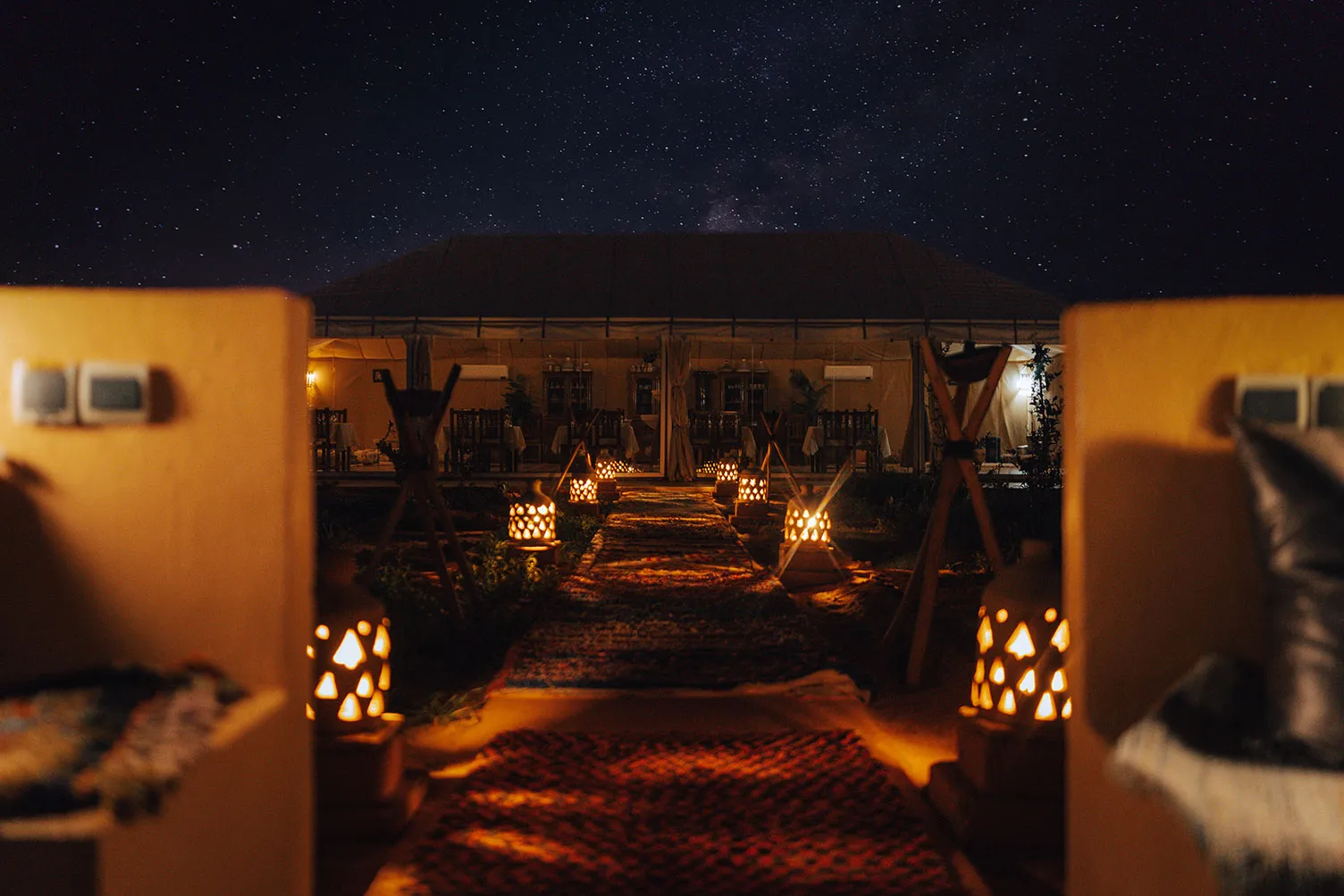
Luxury desert camps have transformed Agafay into an upscale destination. These camps feature traditional Berber tents with modern amenities and comforts. Many offer swimming pools, lounging areas, and gourmet dining experiences. Evening entertainment typically includes traditional music and dancing around campfires.
Sunset and Evening Experiences
Sunset in Agafay Desert creates magical moments worth experiencing. The fading light bathes rocky hills in golden and orange hues. Silhouetted Atlas Mountains add dramatic dimension to the scene. Professional photographers particularly appreciate the stunning natural lighting.
Evening excursions often include traditional Moroccan dinners under the stars. Multi-course meals feature tagines, couscous, and other local specialties. The clear desert sky reveals countless stars invisible in Marrakech’s light pollution. Some camps offer telescope observations for astronomy enthusiasts.
Traditional Berber music and dance performances enhance the authentic desert atmosphere. Local musicians play traditional instruments while performing cultural songs. Fire dancers sometimes add spectacular entertainment to the evening program. These experiences create lasting memories of Moroccan desert culture.
Practical Information for Agafay Visits
Agafay Desert excursions accommodate various schedules and preferences. Half-day trips typically focus on single activities like camel riding or quad biking. Full-day experiences combine multiple activities with meals and relaxation time. Evening tours emphasize sunset viewing and dinner experiences.
Year-round accessibility makes Agafay convenient regardless of travel season. Summer evenings offer pleasant temperatures despite daytime heat. Winter provides comfortable daytime conditions, though evenings can be cool. Spring and autumn present ideal weather for all-day visits.
Dress in layers to accommodate temperature fluctuations between day and evening. Closed-toe shoes protect feet during desert activities. Sunglasses and sun protection remain essential despite the rocky terrain. Cameras capture the stunning landscapes and memorable moments.
Transportation to Agafay Desert is easily arranged through Marrakech tour operators. Many packages include hotel pickup, activities, meals, and entertainment. Some travelers choose to rent vehicles and explore independently. However, guided tours provide deeper cultural context and hassle-free experiences.
Other Notable Day Trips from Marrakech
Imlil and Mount Toubkal Base
Imlil village serves as the gateway to North Africa’s highest peak. This mountain settlement sits 60 kilometers from Marrakech in the High Atlas. The scenic drive takes approximately one and a half hours through winding mountain roads. Imlil provides base camp facilities for Mount Toubkal climbers.
Day visitors enjoy scenic hikes through terraced valleys and Berber villages. Trails accommodate various fitness levels and time constraints. Armed Forces waterfall lies within a short walk from the village center. Local guides enhance experiences with cultural insights and navigation assistance.
Traditional guesthouses serve authentic Berber meals with mountain views. The hospitality of local families creates memorable cultural exchanges. Mule rides offer an alternative to hiking for those preferring easier transportation. Spring brings stunning wildflowers, while winter offers snow-covered peaks.
Valley of Roses (Kelaa M’Gouna)
The Valley of Roses creates a fragrant paradise during spring bloom. Located approximately 270 kilometers from Marrakech, this area requires early departure. The long journey traverses spectacular mountain scenery and traditional villages. May brings the famous Rose Festival celebrating the harvest.
Damascus rose cultivation has defined this valley’s economy for centuries. Local cooperatives produce rose water, oils, and cosmetic products. Visitors can tour production facilities and purchase authentic rose-based products. The traditional distillation process remains fascinating to observe.
Spring visits coincide with the blooming season and cultural celebrations. However, the valley’s natural beauty remains impressive year-round. Surrounding peaks and valleys offer excellent hiking opportunities. Traditional Berber villages maintain authentic lifestyles worth experiencing.
Cascades d’Ouzoud Alternative: Setti Fatma
While Ouzoud claims fame as Morocco’s highest waterfall, Setti Fatma offers closer access. This Ourika Valley destination lies just one hour from Marrakech. The series of seven waterfalls provides excellent hiking opportunities. Lower waterfalls remain accessible to most visitors with moderate fitness.
The village atmosphere feels more authentic and less commercialized than Ouzoud. Local restaurants serve meals on riverside terraces with mountain views. Monday’s weekly souk adds cultural authenticity to midweek visits. Berber guides enhance experiences with local knowledge and language skills.
Summer brings comfortable mountain temperatures contrasting with Marrakech’s heat. The flowing river creates natural swimming pools perfect for cooling off. Spring offers maximum water flow and surrounding greenery. Winter visits reveal snow-dusted peaks but require warm clothing.
Planning Your Marrakech Excursions
Choosing the Right Tours
Selecting appropriate Marrakech day trips depends on personal interests and physical capabilities. Consider whether you prefer nature, culture, adventure, or combinations thereof. Research tour operators carefully, reading reviews and comparing inclusions. Morocco Holiday Services desert tours offer various options with experienced guides.
Group tours provide cost-effective options and opportunities for social interaction. Private tours offer flexibility in timing, pace, and customization. Some travelers prefer self-driving for maximum independence. However, local guides provide invaluable cultural context and practical assistance.
Verify what’s included in tour prices before booking. Transportation, entrance fees, meals, and guide services vary by package. Clarify departure times, duration, and pickup locations in advance. Additionally, confirm cancellation policies in case plans change.
Best Seasons for Day Trips
Spring (March through May) offers ideal conditions for most Marrakech excursions. Temperatures remain comfortable, and landscapes bloom with vibrant colors. Waterfalls flow abundantly from winter and spring rainfall. However, this peak season brings larger crowds at popular destinations.
Autumn (September through November) provides another excellent visiting window. Summer heat subsides while pleasant weather continues. Harvest season adds agricultural interest to rural excursions. Additionally, tourist numbers decrease after summer peaks.
Summer (June through August) brings intense heat to desert and lowland areas. Mountain destinations like Ourika Valley and Imlil offer welcome coolness. Coastal Essaouira benefits from refreshing Atlantic breezes. Early morning departures help avoid midday temperature extremes.
Winter (December through February) sees fewer tourists and lower prices. Mountain destinations may experience snow, adding scenic beauty but potential access difficulties. Desert areas become pleasantly comfortable during daytime. However, evenings can be quite cold, requiring appropriate clothing.
What to Bring on Day Trips
Comfortable, broken-in walking shoes are essential for most excursions. Dress in layers to accommodate temperature changes throughout the day. Modest clothing respects local customs, especially in traditional villages. Women should bring scarves for covering shoulders when visiting religious sites.
Sun protection remains crucial regardless of season or destination. Sunscreen, sunglasses, and hats prevent uncomfortable burns and sun damage. Mountain sun feels particularly intense due to higher elevation. Even overcast days can result in significant sun exposure.
Reusable water bottles help stay hydrated while reducing plastic waste. Most tour operators provide bottled water, but personal bottles remain convenient. Snacks supplement provided meals during long excursion days. Motion sickness medication helps sensitive travelers on winding mountain roads.
Cameras or smartphones capture memorable moments and stunning landscapes. Extra batteries or portable chargers ensure you don’t miss photo opportunities. Small daypacks carry essentials comfortably throughout the day. Cash in Moroccan dirhams proves useful for personal purchases and tips.
Cultural Etiquette and Respect
Respecting local customs enhances experiences and supports cultural preservation. Dress modestly, covering shoulders and knees in traditional areas. Remove shoes when entering homes or mosques if invited inside. Always ask permission before photographing people, especially women and children.
Learning basic Arabic or Berber greetings demonstrates respect and goodwill. “Salam alaikum” (peace be upon you) serves as a universal greeting. “Shukran” (thank you) expresses appreciation for hospitality and assistance. Most Moroccans appreciate foreigners’ efforts to speak their language.
Bargaining is expected in souks but should remain friendly and respectful. Offer reasonable prices rather than offensively low amounts. Remember that handicraft sales support artisan families and preserve traditional skills. Fair prices help sustain local economies and cultural heritage.
Photography restrictions apply at certain sites, including government buildings and military installations. Some locations charge photography fees, particularly for professional equipment. Always comply with posted restrictions and guide instructions. Respect privacy in residential areas and during religious observances.
Maximizing Your Day Trip Experience
Working with Local Guides
Professional guides significantly enhance Marrakech day trips through cultural insights and practical assistance. Local guides possess intimate knowledge of their regions’ history, geography, and traditions. They navigate efficiently, avoiding tourist traps while finding authentic experiences. Additionally, language skills facilitate meaningful interactions with local communities.
Licensed guides undergo training and certification processes ensuring quality standards. They stay informed about current conditions, closures, and best practices. Many guides develop specializations in history, ecology, or photography. Choosing guides with relevant expertise enriches specific interests.
Tipping guides appropriately shows appreciation for quality service. Standard gratuities range from 50 to 100 dirhams per person per day. Exceptional service warrants higher amounts. Drivers also deserve tips, typically 30 to 50 dirhams per person. These supplemental incomes support local families significantly.
Photography Tips for Your Excursions
Morocco’s diverse landscapes provide endless photography opportunities during day trips. Early morning and late afternoon light creates optimal conditions for landscape photography. The “golden hour” before sunset produces particularly stunning images. Midday harsh light often washes out colors and creates unflattering shadows.
Respect local photography customs, especially regarding people and private property. Many Moroccans dislike being photographed without permission, particularly women. Offering small tips for posed portraits is customary and appreciated. Children may approach requesting money after being photographed.
Wide-angle lenses capture expansive landscapes and architectural details effectively. Telephoto lenses prove useful for distant mountain peaks and wildlife. Bring extra batteries and memory cards, as opportunities abound. Protective cases guard equipment against dust in desert environments.
Drone photography faces strict regulations in Morocco requiring permits. Unauthorized drone use can result in confiscation and legal consequences. Always research current regulations before attempting aerial photography. Traditional ground-level photography captures magnificent scenes without legal complications.
Combining Multiple Destinations
Strategic planning allows visiting multiple destinations during extended Marrakech excursions. Some tour operators offer two-day trips combining distant locations. For example, Ait Ben Haddou visits often pair with Ouarzazate exploration. Multi-day options eliminate rushing while maximizing experiences.
Consider geographical proximity when planning consecutive day trips. Ourika Valley and Imlil lie in similar directions, allowing efficient scheduling. Essaouira and Agafay Desert sit in opposite directions from Marrakech. Planning prevents excessive backtracking and wasted travel time.
Pace yourself to avoid exhaustion from consecutive full-day excursions. Schedule rest days or shorter half-day trips between intensive journeys. Marrakech itself deserves exploration time beyond serving as a base. Balance day trips with medina wandering, palace visits, and hammam relaxation.
Sustainable and Responsible Tourism
Supporting Local Communities
Choosing locally-owned tour operators keeps tourism revenue within communities. Small businesses provide employment while preserving cultural authenticity. Direct purchases from artisans and cooperatives maximize economic benefits. These interactions support traditional crafts and sustainable livelihoods.
Staying in local guesthouses during extended trips benefits family-run businesses. Traditional riads employ local staff and source products from nearby suppliers. Your spending creates multiplier effects throughout local economies. Additionally, authentic accommodations enhance cultural immersion.
Participating in community tourism initiatives provides meaningful exchanges and support. Some programs include home-cooked meals with Berber families. Others offer handicraft workshops teaching traditional techniques. These experiences create mutual understanding while generating income.
Environmental Considerations
Morocco’s fragile ecosystems require conscious protection from tourism impacts. Stay on marked trails to prevent erosion and habitat damage. Avoid disturbing wildlife, particularly in waterfall areas where macaques live. Observing from respectful distances allows natural behaviors to continue.
Minimize plastic waste by carrying reusable water bottles and shopping bags. Dispose of all trash properly, even when facilities seem inadequate. Some remote areas lack waste management infrastructure. Pack out what you pack in to preserve pristine environments.
Water conservation remains critical in Morocco’s arid climate. Use water sparingly, especially in desert and mountain regions. Support accommodations and restaurants implementing conservation measures. Be mindful that water scarcity affects local communities significantly.
Choose tour operators demonstrating environmental responsibility and sustainable practices. Look for companies limiting group sizes to reduce impact. Some operators contribute portions of profits to conservation projects. Supporting responsible businesses encourages industry-wide improvement.
Preserving Cultural Heritage
Ancient sites like Ait Ben Haddou face ongoing preservation challenges. Touch earthen walls minimally, as oils and moisture accelerate deterioration. Follow marked pathways rather than climbing restricted structures. Entrance fees directly support conservation and maintenance efforts.
Respect religious sites’ sanctity and associated customs. Non-Muslims cannot enter most functioning mosques in Morocco. Where entry is permitted, dress modestly and behave respectfully. Remove shoes and speak quietly in sacred spaces.
Traditional crafts face competition from cheap, mass-produced alternatives. Purchasing authentic handicrafts supports artisan skills passed through generations. Quality pieces cost more but represent genuine cultural heritage. Your purchases help preserve traditional techniques and knowledge.
Conclusion: Embrace the Adventure Beyond Marrakech
Marrakech day trips unlock Morocco’s incredible diversity beyond the Red City’s walls. From coastal Essaouira’s Atlantic breezes to Ouzoud’s thundering cascades, each destination offers unique treasures. The Ourika Valley provides mountain serenity, while Ait Ben Haddou showcases ancient architectural marvels. Meanwhile, Agafay Desert delivers authentic desert experiences remarkably close to Marrakech.
These excursions complement your Marrakech experience, creating comprehensive Moroccan adventures. Professional tour operators handle logistics, allowing you to focus on enjoyment. Experienced guides enhance understanding while ensuring smooth, safe experiences. Moreover, supporting local tourism businesses benefits communities directly.
Whether you prefer nature, culture, adventure, or combinations thereof, options abound. Each Marrakech excursion reveals different facets of Morocco’s rich tapestry. The memories created during these journeys last long after your return home. Photography captures scenes, but experiences transform perspectives.
Don’t limit your Moroccan adventure to Marrakech’s magnificent medina. Venture beyond the city walls to discover the country’s natural beauty and cultural depth. Book your Marrakech day trips through reputable operators like Morocco Holiday Services. Their experienced team ensures quality experiences that exceed expectations.
The Atlas Mountains await your exploration. Waterfalls cascade, inviting discovery. Desert landscapes promise magical sunsets and starry skies. Historic kasbahs stand testament to centuries of civilization. All these wonders lie within reach during day trips from Marrakech.
Start planning your excursions today to maximize your Moroccan adventure. Research destinations aligning with your interests and physical capabilities. Compare tour options to find packages offering the best value and experiences. Read reviews from previous travelers to inform your decisions.
Morocco’s treasures extend far beyond any single city. Marrakech serves as your gateway to extraordinary experiences throughout the region. Each day trip adds layers to your understanding and appreciation. These journeys create stories you’ll share for years to come.
The Red City beckons, but the surrounding regions call equally strongly. Answer that call by booking comprehensive Marrakech excursions. Your Moroccan adventure deserves to encompass the country’s full spectrum of offerings. From mountains to deserts, coast to valleys, incredible experiences await your discovery.